
Hiring a booking consultant is the easy part. What you hand them in week one decides whether it works.
Most portrait studios hire a booker, sit with them for a day, explain the phone the way they do it themselves, and hope it sticks. Then they do it again in eight months for the next person.
This page is the alternative: what the role is, where the person usually comes from, what to look for, what the churn costs, and a first week that gets someone booking calls instead of shadowing indefinitely.
WHAT THE ROLE ACTUALLY IS
Not a receptionist. Not a salesperson. The person who converts a stranger into a booked, excited, paid-in client.

A booking consultant takes a cold lead your Facebook campaign brought in, someone who responded to your offer, and turns them into a family sitting in front of a camera, on a date, holding deposit paid, looking forward to it. That happens across three phone calls.
- The Congratulations Call. First contact with that lead, five to ten minutes. One outcome: the booking call is in the diary. No pricing, no shoot details.
- The Booking Call. About fifteen minutes, and this is where the money is made. Discovery on every family member, a specific shot idea, the quote, the deposit on a card, then the date.
- The Excite Call. Two or three days before the shoot. Who is coming, what they are wearing, what to expect.
They also run the diary, hold the follow-up list, and take inbound calls from people with a certificate who want to know what they can get for it.
The vocabulary, because the job has four names
The same seat gets advertised as a booking consultant, a diary team member, an appointment setter or a portrait concierge. The word matters mostly for hiring: “appointment setter” attracts phone sales experience and implies targets, “portrait concierge” attracts people who want to look after clients.
What it is not: a receptionist who answers campaign leads when there is time. The moment it becomes that, it stops being anybody’s actual responsibility.
“The booker is the most important person in the studio.”
WHERE YOUR BOOKER USUALLY COMES FROM
There are only four, and all four have the same failure mode.

1. A brand new hire with no sales experience. They learn on real leads, so the tuition fee is paid in leads you already bought.
2. An existing staff member pushed into it. A receptionist, a retoucher, a studio manager. Good at their actual job, quietly terrified of anything that feels like selling. The most common and the most fixable, because the fear is about not knowing what to say next rather than about ability.
3. The owner, still doing it personally. Usually the best booker in the building, not through talent but because they are the only person who ever learned the call. Also the reason they cannot leave.
4. A revolving door. Somebody new every few months, retrained from scratch, each version of the training slightly worse because the owner is more tired of giving it.
The shared failure mode: the system lives in the owner’s head. Transmitted by conversation, differently every time, and gone the day that person is busy, sick or leaves.
WHAT TO LOOK FOR, AND MIKE’S HIRING RULE
Hire for warmth and coachability. Then find out fast, in week one.

You are not hiring a closer. The call does not need pressure, it needs someone who will genuinely enjoy asking a stranger about her four year old for ten minutes and writing down what she says. Warmth, curiosity, willingness to follow a written process, resilience to dial the next number after a bad call.
Experience is worth less than owners assume, because nobody has sold a portrait session against a gift certificate from a Facebook campaign before. A hospitality background often outperforms a sales background.
And then there is the rule that saves you the most money, which is Mike’s own:
If they are not booking calls in week one, they are not the right person.
That rule only works if week one is the same for everyone. If each hire gets a different improvised version of the job, a bad first week tells you nothing, because you cannot separate the wrong hire from the wrong onboarding. Standardise the start and week one becomes a real signal.
WHAT THE REVOLVING DOOR ACTUALLY COSTS
Training them yourself is not free. It is a recurring cost you are not invoicing anyone for.

The reason to take onboarding seriously is arithmetic, not tidiness.
First-year turnover in appointment-setting roles runs 35 to 40%. The Bridge Group, 2025 report, 351 companies The highest churn point on any sales career ladder. Plan for the seat turning over, because it does.
Replacing an employee costs half to two times their annual salary once lost productivity is counted, around 40% of salary for frontline roles. Gallup, 2019 Recruiting alone averages $4,700 to $5,475 per hire before a day of training. SHRM Talent Acquisition Benchmarking
Ramp to productivity averages three months (The Bridge Group, 2025), during which the owner or the studio’s best person is training instead of selling.
And structured onboarding measurably moves all of it. Structured programmes improved time to productivity by 60% and retention by 52% (SHRM Foundation, Bauer 2010), and new hires who went through one were 69% more likely to still be there after three years (Corning Glass Works internal data, cited in Bauer 2010).
So the choice is not “train them myself for free” against “pay for a system.” It is: keep paying in ramp time, inconsistency and your own hours every time somebody leaves, or standardise the start once. At 40% of a booker’s salary per replacement, one avoided rehire covers this once.
All figures above are independent research into sales development, appointment-setting and onboarding generally, not photography-specific studies, and not a prediction about your studio. Cited to the named sources. There is no published data on portrait studio booking teams specifically.The course is $197 once for lifetime access, with a 30-day money-back. One extra booking a week on your average sale is the figure that sits next to that price.
A FIRST WEEK THAT ACTUALLY WORKS
Finish the training before the first live call. Then shadow. Then supervise. Then let go.

A first week you can run without being in the room for most of it. The training is 4 hours 14 minutes of lessons, the measured run time of the course, so it fits inside the first two days.
Day one and two: watch the whole thing, before any live call. All 53 lessons, self-paced. A new hire’s first ever call should not also be their first exposure to how the call works. Have them print the Booking Sheet, the Congratulations Call script, the pricing script and the Voucher Vulture script, and keep all four on the desk. Jonelle still reads hers off the page after a decade: “Even though I’ve been doing this for literally 10 years, I myself still have to read it off.”
Day two, afternoon: listen to real calls. Not role plays. Real recorded booking calls with the instructors explaining what worked. The fastest part of the week for building belief, because the hire hears an ordinary conversation producing a booking.
Day three: shadow. Beside whoever currently books best, filling in a Booking Sheet as if running the call. Two or three calls. More than that and shadowing becomes a way of postponing the phone.
Day four: supervised calls. Congratulations Calls, the lowest risk call in the system, with someone listening. Debrief against the script, not against a feeling: which step got skipped, where did the silence get filled, was the shot idea specific enough.
Day five: their own calls, including booking calls. By the end of week one they should be booking. If not, refer back to the hiring rule.
Then two things run permanently: one recorded call reviewed together each week, and the scripts on the desk. Scripts are not training wheels. They are how the studio sounds the same on every call.
“Onboarding a booker becomes a link and a login, not weeks of your time.”
A first week like this needs material your new hire can work through without you. Train My Studio gives every booker on your team their own login to the 53 lessons, the recorded calls and the scripts.
STUDIOS THAT ALREADY RUN IT THIS WAY
Two studios put every new hire through it as standard induction. They just email a name.
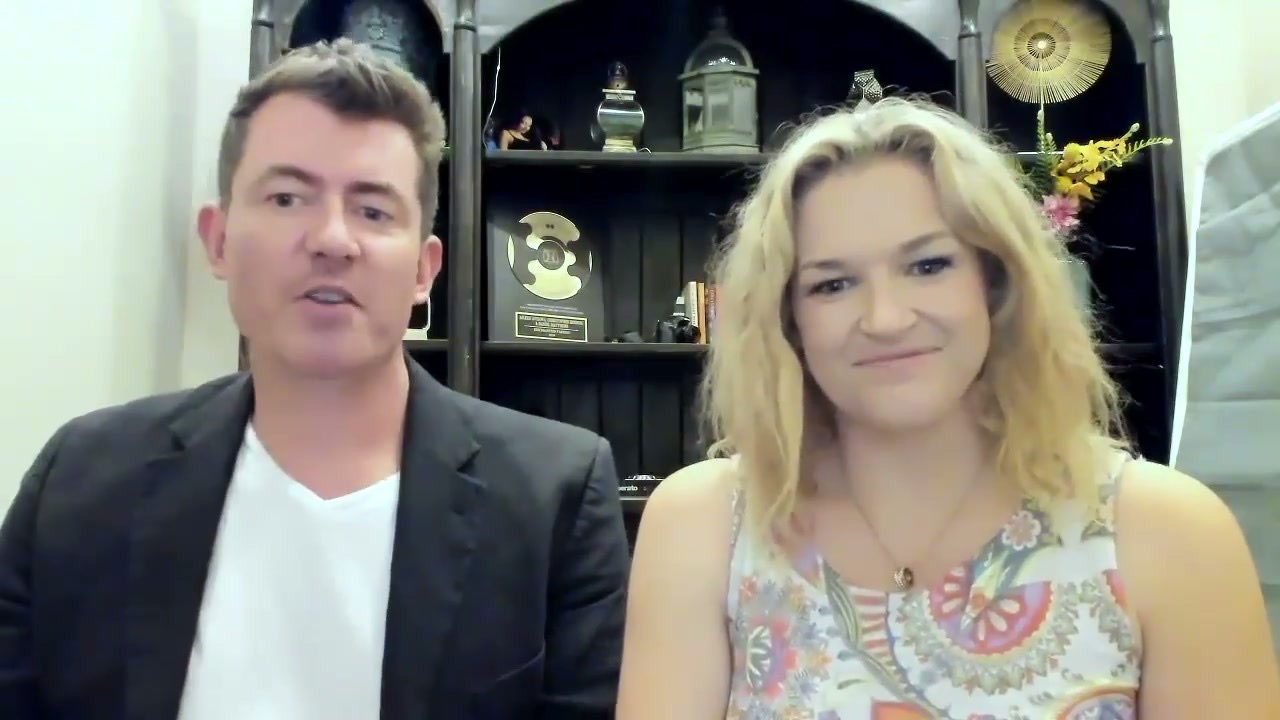
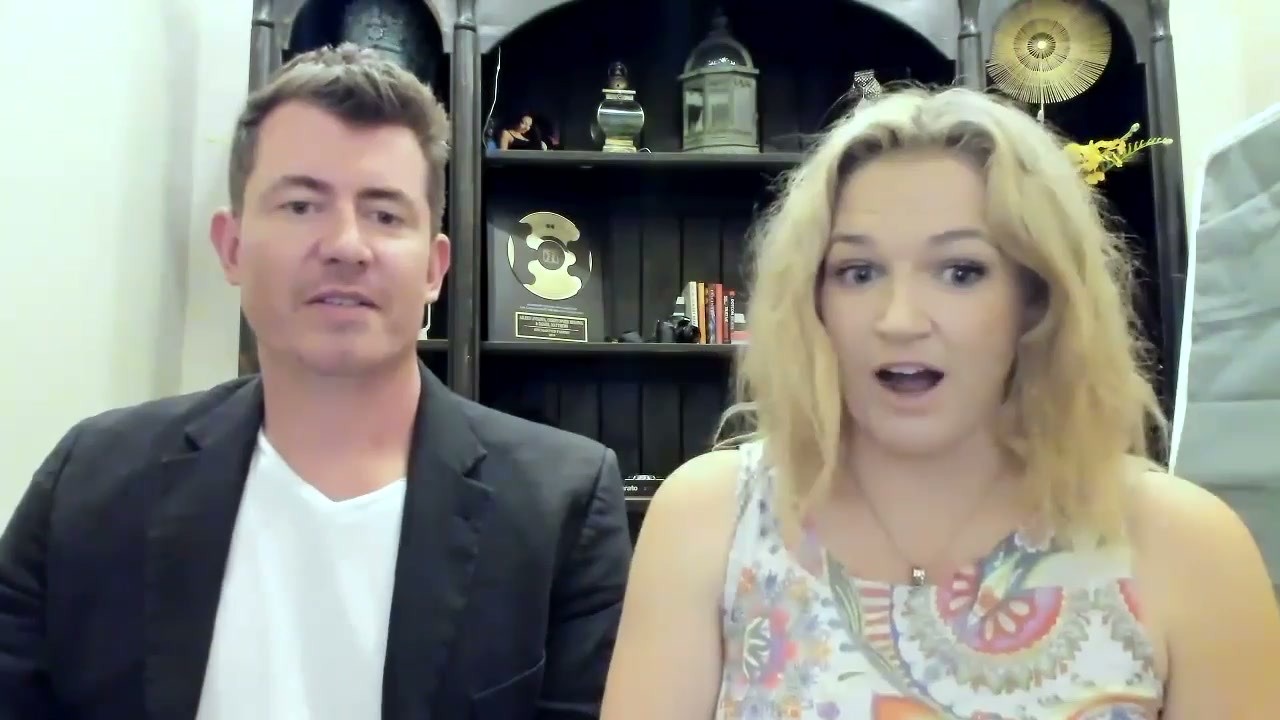
Bill’s two new bookers finished the course before their first recorded hour on the phone. He described it as the best things had fallen into place in a year.
Butler Portraits and Infinity Portrait Design use it as standard induction. Someone new starts, they email a name, the hire gets a login. The training is not a project the owner has to schedule, it is a step in the hiring process, and it happens the same way every time.
That last detail is worth copying even if you never buy the course: make the training an artifact, not a conversation. Something outside your head, that a new person can be pointed at on day one.
Named with permission. These are their teams and their results, not our metric, and not a promise about your hire.TONALITY IS A SKILL, WHICH IS WHY A QUIET HIRE CAN DO THIS JOB
Do not hire for the voice. The voice is teachable.

The most expensive hiring mistake here is treating “sounds great on the phone” as a personality trait and only hiring people who already have it. That costs you good candidates, and it means you never fix the team you have.
The course teaches tone, energy and pacing as a skill with mechanics: start playful, because callers mirror whatever energy arrives; match and amplify the client’s excitement rather than staying neutral; switch to a more assertive register when holding a non-negotiable. Learnable on purpose, the same way the words are.
Alongside it, a forbidden-phrases list. The headline rule shows how specific this gets: never say “free.” Say “you won an experience.” Free sets a value, and the value it sets is nothing.
And a mindset piece that sounds soft and is not. Jonelle, before dialling: “This client is going to answer the phone and I am going to book them in.”
For the quiet, competent staff member you are thinking of moving into this seat, that is the whole answer. They are not missing a gift. They are missing a script, and someone to tell them tone is trainable.

Stop being the trainer. Give your next hire the whole system on day one.
53 lessons, 4 hours 14 minutes, taught on camera by two owners of working portrait studios. The full script library, real recorded booking calls with the instructors explaining what worked, and a login for every booker on your team. New hire? Send them the link.
One boundary worth stating: a trained booker converts leads, it does not create them. If the phone is not ringing, that is Studio Digital’s job, not this one.
One payment. Lifetime access. 30-day money-back.